Software Development
EV Charging Management Software: Features, Use Cases, and Benefits
 Updated 23 Jan 2026
Key Takeaways
EV charging management software is essential at scale
As charging networks grow, centralized control and automation are critical to manage chargers, users, energy, and billing efficiently.
Advanced features directly improve uptime and revenue
Real-time monitoring, smart billing, analytics, and remote control reduce downtime while maximizing charger utilization and ROI.
Fleet and energy optimization drive operational efficiency
Fleet-focused charging and energy management systems help balance loads, lower energy costs, and align charging with operational priorities.
Use cases span multiple industries
Fleet-focused charging and energy management systems help balance loads, lower energy costs, and align charging with operational priorities.
Choosing the right platform ensures long-term scalability
A secure, customizable, and integration-ready system enables future expansion and supports evolving EV ecosystem requirements.
Electric vehicles are no longer a niche segment. They are becoming a core part of global transportation. Recent industry data shows that over 45 million electric vehicles are now on the road worldwide, with charging demand growing at nearly 30% annually. Public and private charging infrastructure is expanding rapidly, but the complexity of managing chargers, energy loads, users, billing, and maintenance is increasing at the same pace. This growth has created a strong demand for intelligent, scalable Ev charging management software.
As businesses, fleet operators, utilities, and real estate owners deploy charging stations at scale, manual processes and disconnected systems are no longer viable. Organizations need centralized visibility, real-time control, and automated operations. A modern Ev charging station management system enables operators to manage chargers efficiently, optimize energy usage, improve uptime, and deliver seamless charging experiences to end users while maintaining profitability.
Understanding EV Charger Management Software
Ev charger management software is a digital platform that enables organizations to monitor, control, and optimize electric vehicle charging infrastructure from a centralized system. It connects hardware (chargers), users, energy sources, and business rules into a single operational ecosystem.
At its core, this software allows operators to:
- Monitor charger health and availability in real time
- Control charging sessions remotely
- Manage users, pricing, and access permissions
- Collect data for reporting, billing, and analytics
Unlike basic monitoring tools, a full-scale Ev charging station management software supports integrations with payment gateways, mobile apps, fleet systems, and utility providers. It is designed to scale as charging networks grow across cities, campuses, or regions.
For enterprises and startups alike, working with a Custom software development company ensures that the platform aligns with unique operational needs, regulatory requirements, and long-term growth strategies.
Challenges in Managing EV Charging Infrastructure
Managing EV charging infrastructure is far more complex than installing chargers. As networks grow, operators face several operational and technical challenges.
One major challenge is charging uptime. Without real-time monitoring, faulty chargers can remain offline for extended periods, resulting in lost revenue and poor user experience. Another issue is energy load management, especially when multiple chargers operate simultaneously during peak hours.
Billing and payment complexities also arise. Different users may require different pricing models, subscriptions, or usage-based billing. Fleet operators face additional challenges in managing vehicle schedules, charging priorities, and energy costs, making fleet EV charger management software essential for operational efficiency.
Security and compliance are equally critical. Charging networks handle sensitive user data, payment information, and operational controls. Without a robust system, operators are exposed to cybersecurity risks and regulatory non-compliance.
Core Features of EV Charger Management Software
A modern EV charging management software platform offers a comprehensive set of features designed to streamline operations and enhance user experience.
Real-Time Monitoring and Control
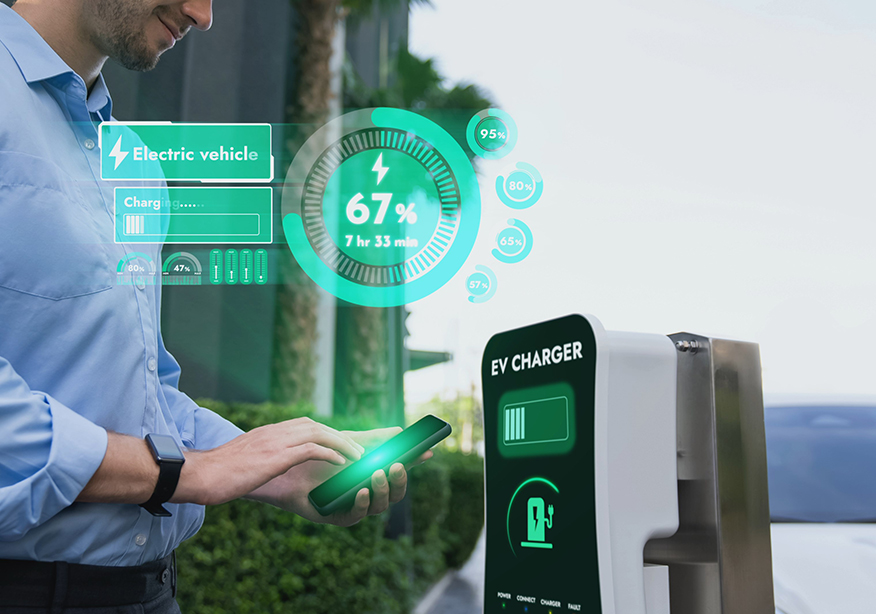
Operators can view charger status, energy usage, and session activity in real time. Remote start, stop, and reset capabilities reduce downtime and maintenance costs.
User and Access Management
The system supports multiple user types, including public users, employees, residents, and fleet drivers. Role-based access ensures secure and controlled usage.
Smart Billing and Payments
Flexible pricing models such as pay-per-use, subscriptions, dynamic pricing, and roaming support are built into advanced EV charging station management system platforms.
Fleet Charging Optimization
For logistics and delivery businesses, fleet EV charger management software enables charging schedules based on routes, vehicle priority, and energy costs.
Mobile App Integration
Seamless integration with mobile apps allows users to locate chargers, start sessions, track usage, and make payments. Partnering with a Mobile app development company ensures a smooth and intuitive user experience.
Analytics and Reporting
Detailed dashboards provide insights into charger utilization, revenue, energy consumption, and carbon reduction metrics.
EV Charger Management Software Use Cases
Commercial Charging Networks
Retailers, malls, and parking operators use EV charging station management software to monetize charging services while enhancing customer experience.
Fleet and Logistics Operations
Delivery companies rely on fleet EV charger management software to ensure vehicles are charged efficiently without disrupting operations.
Residential and Workplace Charging
Housing societies and corporate campuses deploy charging systems with controlled access, automated billing, and energy optimization.
Utilities and Energy Providers
Utilities integrate charging platforms with grid management tools and an Energy management system for EV chargers to balance demand and prevent overloads.
Smart Cities
Municipalities use centralized EV charger management software to manage citywide charging networks and support sustainable mobility initiatives.
Build Intelligent EV Charging Platforms
Partner with Q3 Technologies to design and deploy scalable EV charging management software with real-time control, smart billing, and advanced analytics.
Benefits of EV Charger Management System
The Benefits of EV charger management system extend beyond basic charger monitoring and directly impact business performance and sustainability goals.
- Operational Efficiency: Automation reduces manual intervention, lowers operational costs, and improves charger uptime.
- Revenue Optimization: Dynamic pricing, smart billing, and utilization insights help operators maximize ROI.
- Improved User Experience: Reliable chargers, transparent pricing, and mobile access increase user satisfaction and loyalty.
- Energy Optimization: Integration with an Energy management system for EV chargers enables load balancing and peak demand control.
- Scalability and Future Readiness: A well-designed EV charging station management software platform scales easily as charger networks expand.
How to Choose an EV Charging Management System
Selecting the right platform is critical for long-term success. Understanding how to choose EV charging management system requires evaluating both technical and business factors.
- Scalability: Ensure the system can support future charger expansion without performance issues.
- Integration Capabilities: The platform should integrate seamlessly with hardware, payment systems, fleet tools, and mobile apps.
- Customization and Flexibility: A solution built by a Custom software development company allows tailored workflows and features.
- Security and Compliance: Look for robust data protection, secure authentication, and compliance with regional standards.
- User Experience: An intuitive interface for both operators and end users is essential for adoption and retention.
Optimize Fleet and Energy Operations
Work with Q3 Technologies to implement fleet-focused EV charging and energy management systems that reduce costs and improve operational efficiency.
The Role of Energy Management Systems in EV Charging
An Energy management system for EV chargers plays a critical role in optimizing power usage across charging networks. It ensures that energy consumption aligns with grid capacity, renewable energy availability, and cost optimization strategies.
By intelligently distributing power, EMS platforms prevent overloads during peak hours and reduce energy costs. They also support renewable energy integration, enabling solar-powered or hybrid charging setups.
When combined with EV charging management software, energy management systems deliver end-to-end control over charging operations, sustainability goals, and cost efficiency.
Next Steps: Implementing EV Charger Management Software
Implementing a robust platform starts with defining clear business objectives, such as revenue generation, fleet efficiency, or sustainability targets. The next step is selecting a technology partner with expertise in EV ecosystems.
A phased implementation approach works best:
- Pilot deployment with limited chargers
- Integration with existing systems
- Scaling based on usage data and performance insights
Working with experienced Automotive app development companies ensures smooth integration between hardware, software, and user-facing applications.
How Q3 Technologies Powers Scalable and Intelligent EV Charging Management Solutions
Q3 Technologies specializes in building enterprise-grade EV charging management software tailored to diverse business needs. As a trusted Custom software development company, Q3 delivers scalable, secure, and future-ready EV charging platforms.
With deep expertise as a Mobile app development company and experience working with Automotive app development companies, Q3 designs end-to-end solutions that include:
- Custom EV charger management platforms
- Fleet and energy optimization systems
- Mobile apps for drivers and operators
- Advanced analytics and reporting dashboards
Q3’s solutions are designed to support rapid deployment, seamless integration, and long-term scalability for businesses across the EV value chain.
Conclusion
As electric vehicle adoption accelerates, efficient charging infrastructure management becomes a business necessity. Ev charging station management software provides the intelligence, automation, and scalability required to operate modern charging networks successfully.
From improving uptime and energy efficiency to enhancing user experience and revenue generation, the Benefits of EV charger management system are clear. Organizations that invest in the right platform today position themselves for sustainable growth in the evolving EV ecosystem.
By partnering with an experienced technology provider like Q3 Technologies, businesses can build intelligent, future-ready EV charging solutions that meet today’s demands and tomorrow’s opportunities.
FAQs
What is EV charging management software?
EV charging management software is a centralized digital platform used to monitor, control, and optimize electric vehicle charging infrastructure. It enables operators to manage charger performance, users, billing, energy usage, and maintenance through a single system, ensuring high uptime and efficient operations.
What are the features of an EV charging station?
An EV charging station typically includes smart hardware and software capabilities such as real-time charger monitoring, remote start and stop, energy metering, user authentication, billing and payment processing, load balancing, and integration with mobile apps and grid systems.
What features does the EV charging app provide?
An EV charging app allows users to locate nearby chargers, check availability, start or stop charging sessions, track energy consumption, view charging history, and make secure payments. Advanced apps also support notifications, dynamic pricing visibility, and account management.
What are the benefits of EV charging?
EV charging supports cleaner transportation by reducing carbon emissions, lowers fuel and maintenance costs for vehicle owners, enables energy efficiency through smart load management, and creates new revenue opportunities for businesses operating charging networks.
What are the benefits of EV technology?
EV technology offers reduced emissions, lower operating costs, improved energy efficiency, quieter vehicles, and integration with renewable energy sources. It also supports smart mobility initiatives and long-term sustainability goals.
Table of content
- Understanding EV Charger Management Software
- Challenges in Managing EV Charging Infrastructure
- Core Features of EV Charger Management Software
- EV Charger Management Software Use Cases
- Benefits of EV Charger Management System
- How to Choose an EV Charging Management System
- The Role of Energy Management Systems in EV Charging
- Next Steps: Implementing EV Charger Management Software
- How Q3 Technologies Powers Scalable and Intelligent EV Charging Management Solutions
- FAQs
Explore More


Software Development
Field Force Management Software Development - A Complete Guide

Software Development