


Better Experience
Faster Checkout
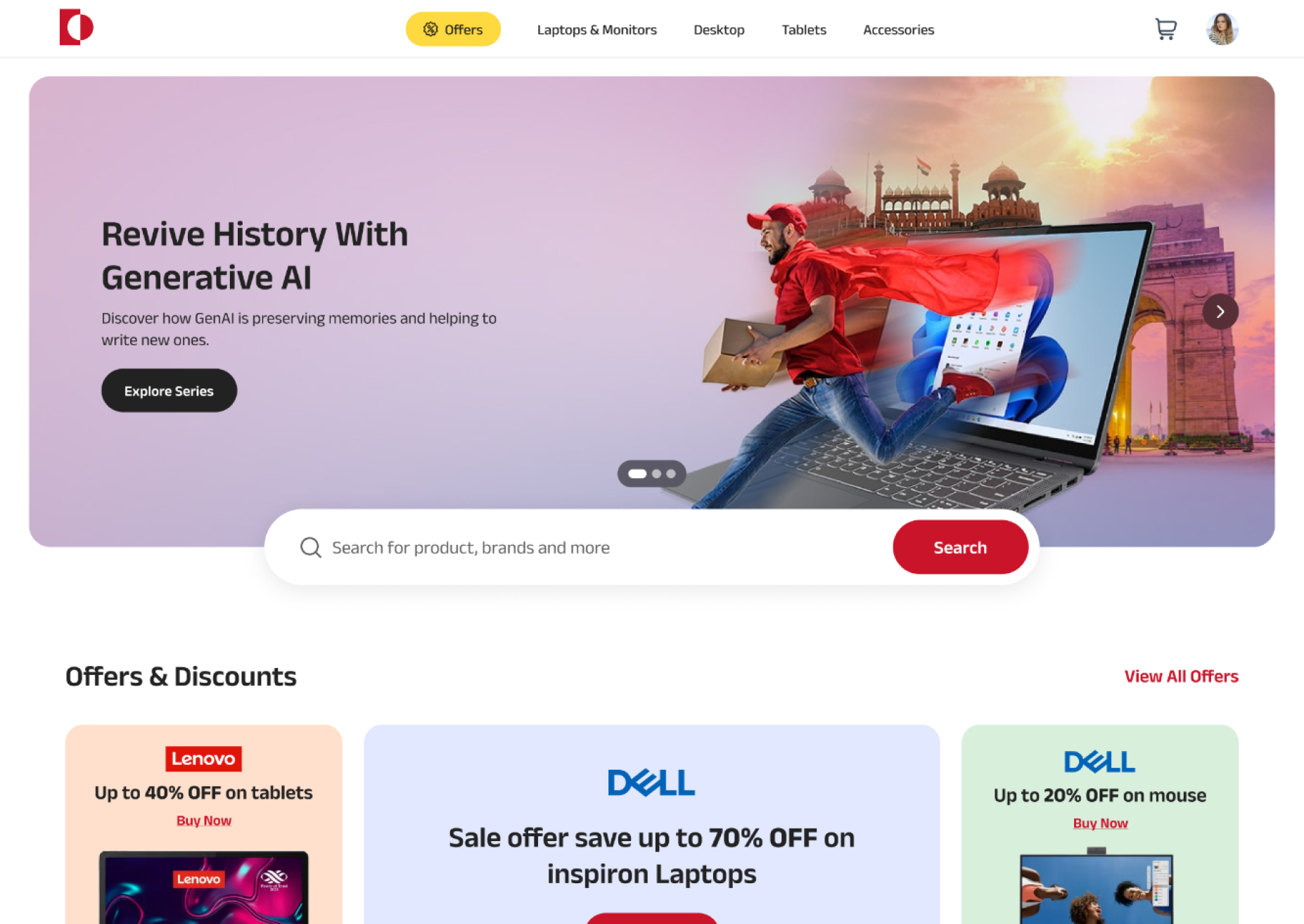

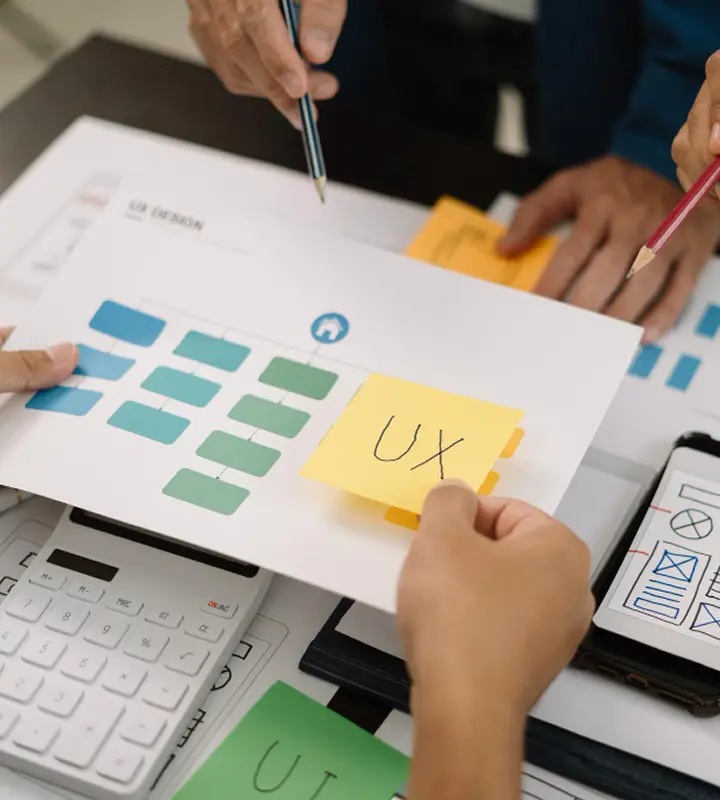
We offer a complete spectrum of UX design services from information architecture and interaction design through wireframing, usability testing, accessibility, and UX writing structured around your business requirements.

We structure content and navigation so people find what they need without thinking about how the product is organized internally. This covers sitemaps, taxonomies, navigation models, and content audits particularly critical for platforms with large content volumes, multiple user roles, or complex permission structures, where a poorly organized structure compounds into ongoing confusion at scale.

We design how interface components behave: button states, transitions, micro-interactions, loading states, error states, and the task flows that connect them into coherent journeys. Interaction design is where a product either feels responsive and predictable or feels like a collection of disconnected screens the difference is rarely visible until you try to use it.

We produce low-fidelity layouts for early-stage review and high-fidelity, interactive prototypes for stakeholder validation. Wireframes give teams a fast, low-cost way to align structure and flow before making a visual design investment. At the same time, prototypes let stakeholders and test participants experience a near-real interface before a single line of code is written.

We test prototypes or live products with real users to identify where people struggle, hesitate, misunderstand, or fail to complete tasks then translate findings into specific, prioritized design fixes. Usability testing closes the gap between what a design team believes is intuitive and what users actually experience, and is most valuable when run iteratively rather than as a single pre-launch check.

Better Experience
Faster Checkout
Paperless Workflow
Streamlined Approvals
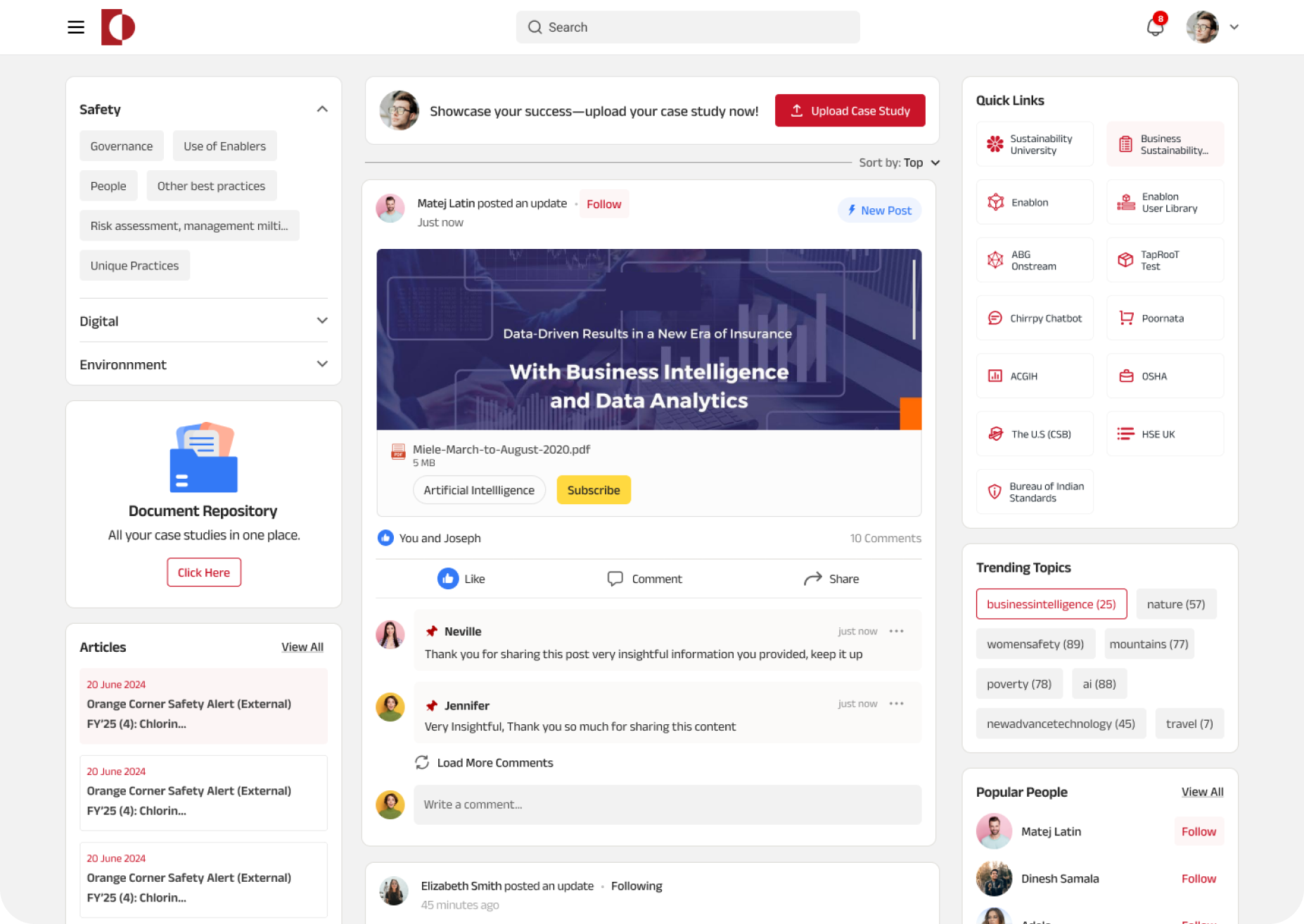
Faster Onboarding
Boosted Efficiency
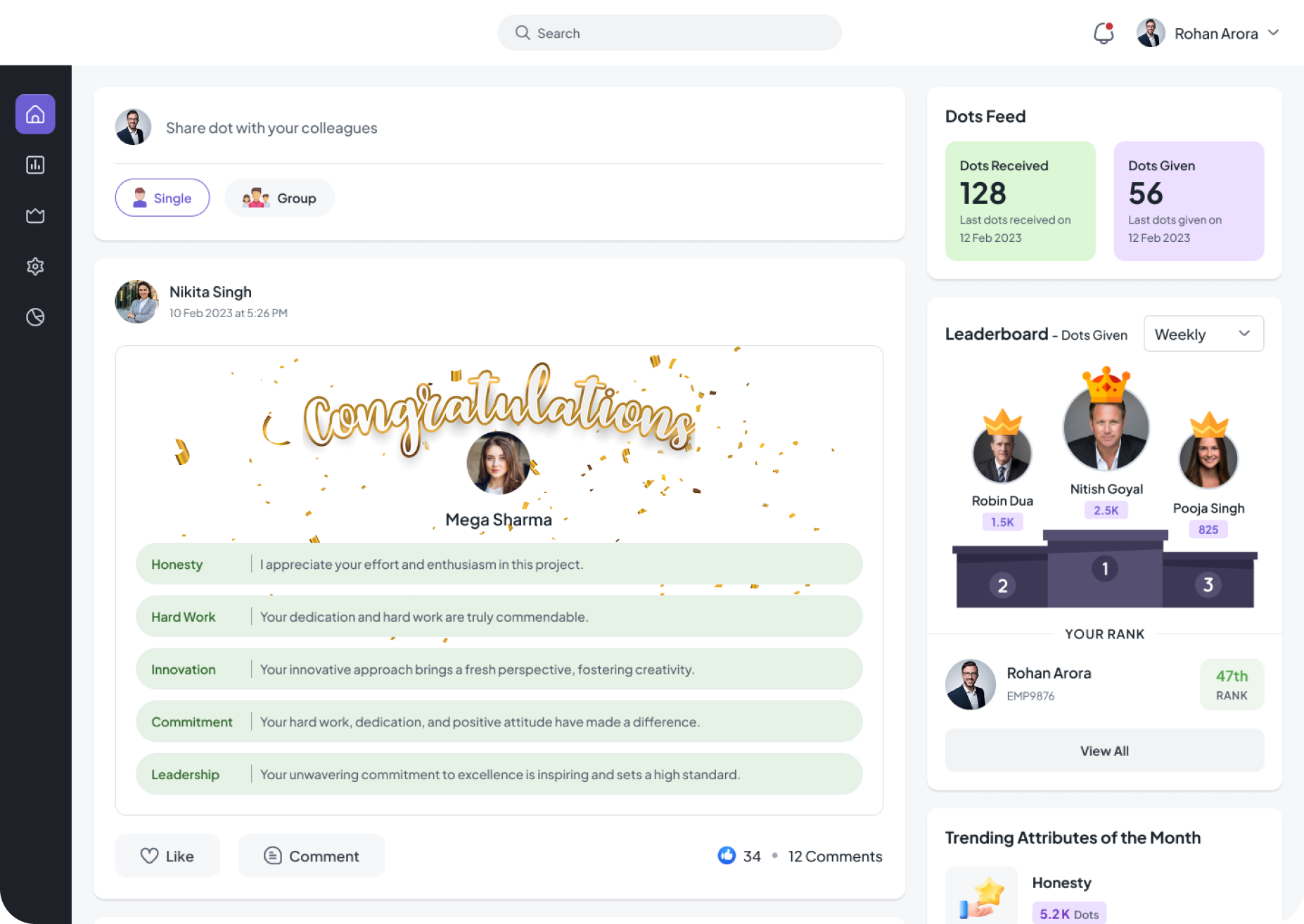
Improved Experience
Faster App Development
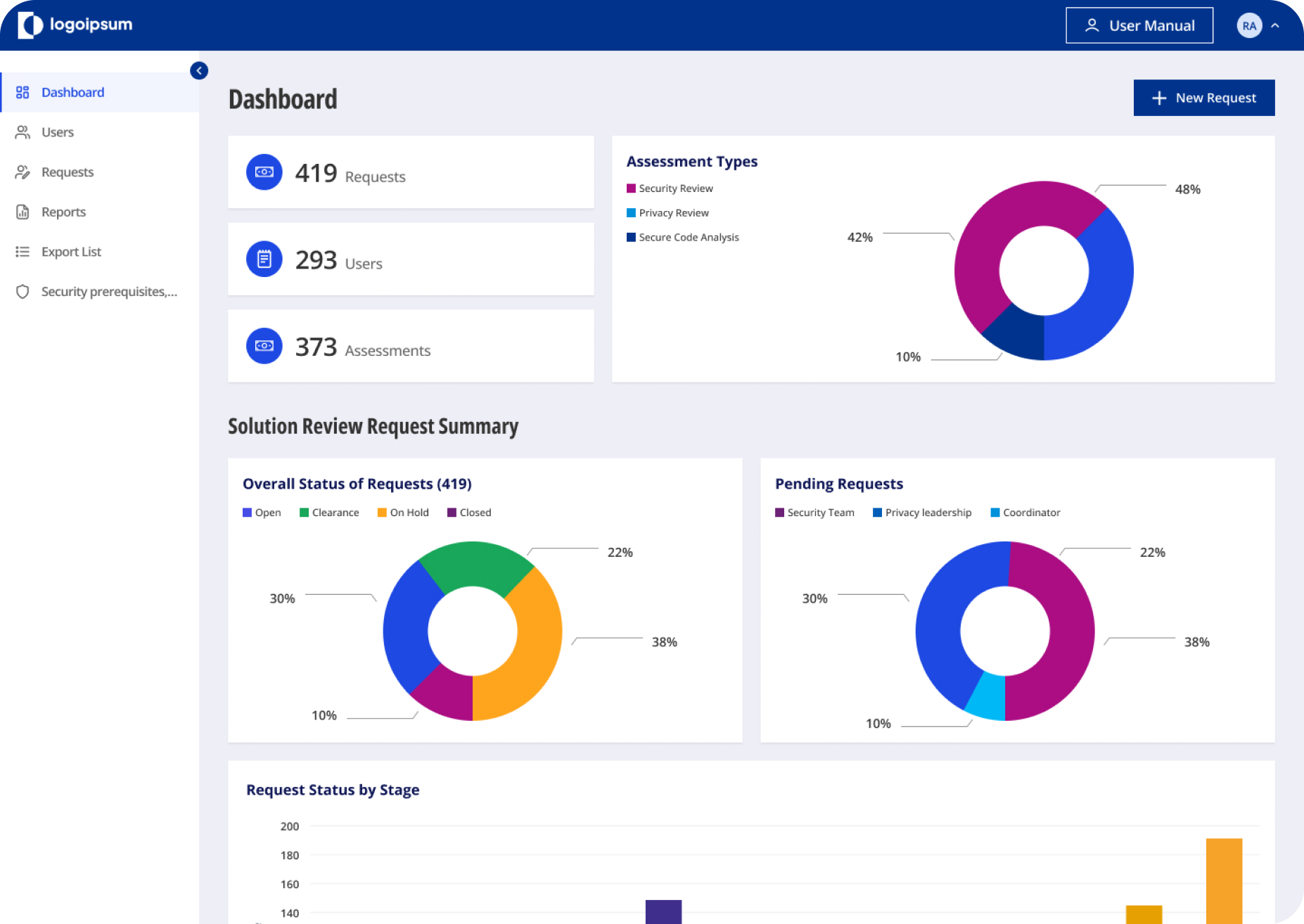
Our design experience spans diverse industries, enabling us to create user-centric digital experiences tailored to unique business challenges and customer expectations. By combining industry knowledge, design thinking, and innovation, we craft intuitive, scalable, and impactful solutions that deliver meaningful results.
 Healthcare and Life Sciences
Healthcare and Life Sciences Patient-facing portals and clinical workflow interfaces are designed for accessibility, clarity under pressure, and compliance with healthcare usability standards.

 Education and EdTech
Learning platform interfaces designed for students, faculty, and administrators with differing technical familiarity and accessibility needs.

 Manufacturing and Industrial
Shop-floor and field-service interfaces designed for use by operators in industrial environments, often with limited screen time and high task pressure.

 Retail and E-Commerce
Shopping and checkout experiences designed around validated purchase journeys, reducing abandonment at every step.

 Financial Services and Insurance
Interfaces for banking, lending, and claims platforms where trust, clarity, and error prevention are critical to both usability and regulatory expectations.

 Transport and Logistics
Transport and Logistics Mobile and web interfaces for field staff, drivers, and operations teams, designed for real-world conditions including outdoor visibility and one-handed use.

Our UX practice blends human-centered design, behavioral insights, and data-driven decision-making to create intuitive, engaging, and high-performing digital experiences. We focus on understanding user needs, business objectives, and technology constraints to design solutions that drive adoption, satisfaction, and measurable business impact.
Years of Engineering Experience
Projects Deployed to Production
Global Clients Across 21 Countries
Offices Across the Globe
Tell us about the workflows that feel complicated, and the users who need them to feel simple.

UX design services cover the design of how a digital product works for the people using it: information architecture, interaction design, wireframing, prototyping, usability testing, accessibility, and UX writing. The goal is a product that is intuitive, efficient, accessible, and consistent reducing friction at every step from first impression to task completion.
UX (user experience) design covers how a product works structure, flow, interaction behaviour, and usability. UI (user interface) design covers how a product looks visual styling, typography, color, and branded surface design. UX defines the skeleton and behaviour; UI defines the visual layer on top of it. A product can look polished in UI terms while remaining confusing in UX terms strong products require both, working together.
Information architecture is the structure underlying a digital product: how content is organised, how navigation is modeled, and how users move between sections. For products with significant content volume, multiple user roles, or complex feature sets, poor information architecture compounds into ongoing confusion that surface-level visual design cannot fix — users get lost in a structure that does not reflect how they think about the product, regardless of how attractive each individual screen looks.
Usability testing should happen throughout design, not only at the end. Testing early-stage wireframes catches structural issues before visual design investment begins; testing high-fidelity prototypes catches interaction issues before development; testing live products after launch catches issues that only emerge at scale. Iterative testing throughout the process catches issues while they remain cheap to fix — a single pre-launch usability check catches far less than continuous testing.
Accessibility is designed in from the first wireframe against WCAG 2.1 AA standards as a baseline: colour contrast ratios, keyboard navigation paths, screen-reader-compatible structure, and inclusive interaction patterns for users with visual, motor, auditory, or cognitive disabilities. Designs are reviewed for accessibility at every phase, not audited once at the end — because issues caught early are addressed through design adjustments, while issues caught late often require structural rework.
A focused design engagement for a defined feature or workflow — covering information architecture, wireframes, high-fidelity design, and usability testing — typically takes 6–10 weeks. A full platform redesign covering multiple user roles and workflows typically takes 12–20 weeks. Engagements are structured in phases with reviewable deliverables, so stakeholders can validate direction before each subsequent phase begins.
Yes. Design work covers web applications, mobile applications, and the consistency between them, where products span both — including responsive web design, native mobile interaction patterns, and shared design systems that maintain consistency across platforms while respecting each platform’s conventions.
UX writing covers the words users read while using a product, such as labels, error messages, form guidance, empty states, and onboarding copy. It is treated as a distinct discipline because microcopy decisions have an outsized effect on whether users understand what is happening and what to do next: a confusing error message can derail a task as effectively as a confusing layout, despite being a handful of words.
Yes. A UX audit and heuristic evaluation identify specific friction points, inconsistencies, and accessibility gaps in an existing product, separated into quick wins that can be addressed incrementally and structural issues that warrant deeper redesign. Many engagements begin with an audit specifically to determine whether a full redesign is warranted or whether targeted improvements will deliver most of the value at a fraction of the cost.
Deliverables include high-fidelity designs with documented interaction specifications, a design system reference covering reusable components and patterns, and finalised UX copy ready for implementation. Design teams remain engaged through the build for design QA — reviewing implemented screens against design intent and flagging discrepancies before they reach users, rather than discovering them post-launch.

What Happens Next?
 100% Confidential. NDA available on request.Response within 4 business hours.No obligation to get started.
Share Your Requirements

Your information is secure and never shared with third parties.

Thank You!
We will contact you within four business hours. In the meantime, feel free to explore our case studies or read our latest Insights.


