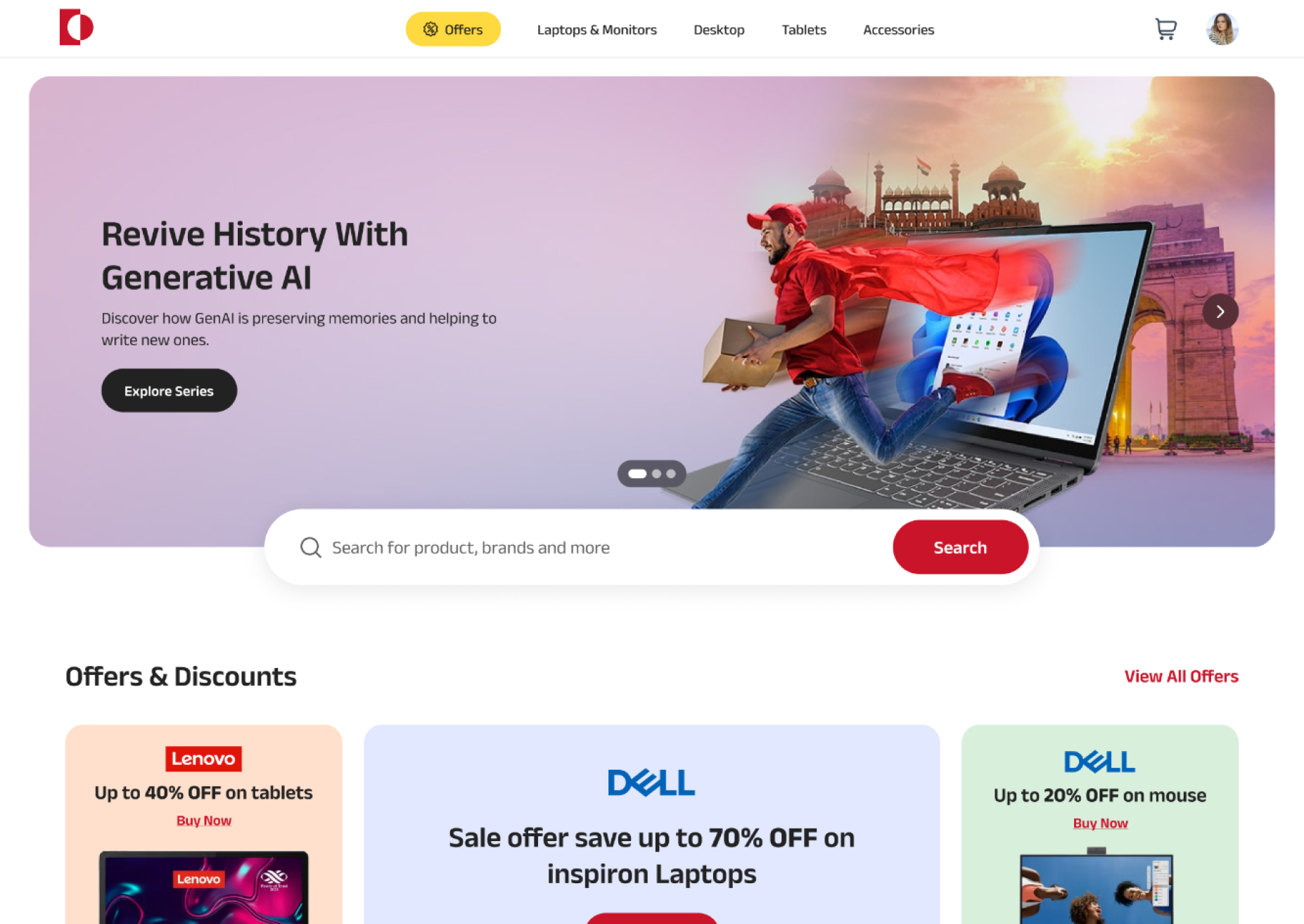
Better Experience
Faster Checkout


We offer a complete spectrum of user research services, from early discovery through validation testing, persona development, and journey mapping, structured to fit your timeline, budget, and the maturity of your existing research practice.

Every engagement begins with a clear research plan: defined objectives, hypotheses worth testing, the right method for each question, a realistic timeline, and a recruitment plan that reaches genuine target users. We help teams decide what to research, in what order, and how findings will feed into roadmap and design decisions. For organizations without an established research function, this phase also includes a lightweight research operations setup so findings are documented, searchable, and reusable across teams.

We run user interviews, contextual inquiry, diary studies, ethnographic research, and focus groups to understand the “why” behind user behavior the context, motivations, frustrations, and workarounds that quantitative data alone cannot explain. Our researchers are trained in unbiased moderation techniques that surface genuine attitudes rather than socially desirable answers, and every session is synthesized into themes, quotes, and recommendations your team can act on directly.

Where qualitative research tells you why, quantitative research tells you how many and how often. We design and run surveys and questionnaires, analytics reviews, A/B tests, and usability benchmarking studies that validate or challenge qualitative findings at scale giving stakeholders the statistical confidence to prioritize investment with conviction.

We translate raw research data into personas grounded in real behavior rather than demographic guesswork: goals, pain points, decision triggers, behavioral patterns, and empathy maps that give design teams a shared, evidence-based reference point for every decision.

Better Experience
Faster Checkout
Paperless Workflow
Streamlined Approvals
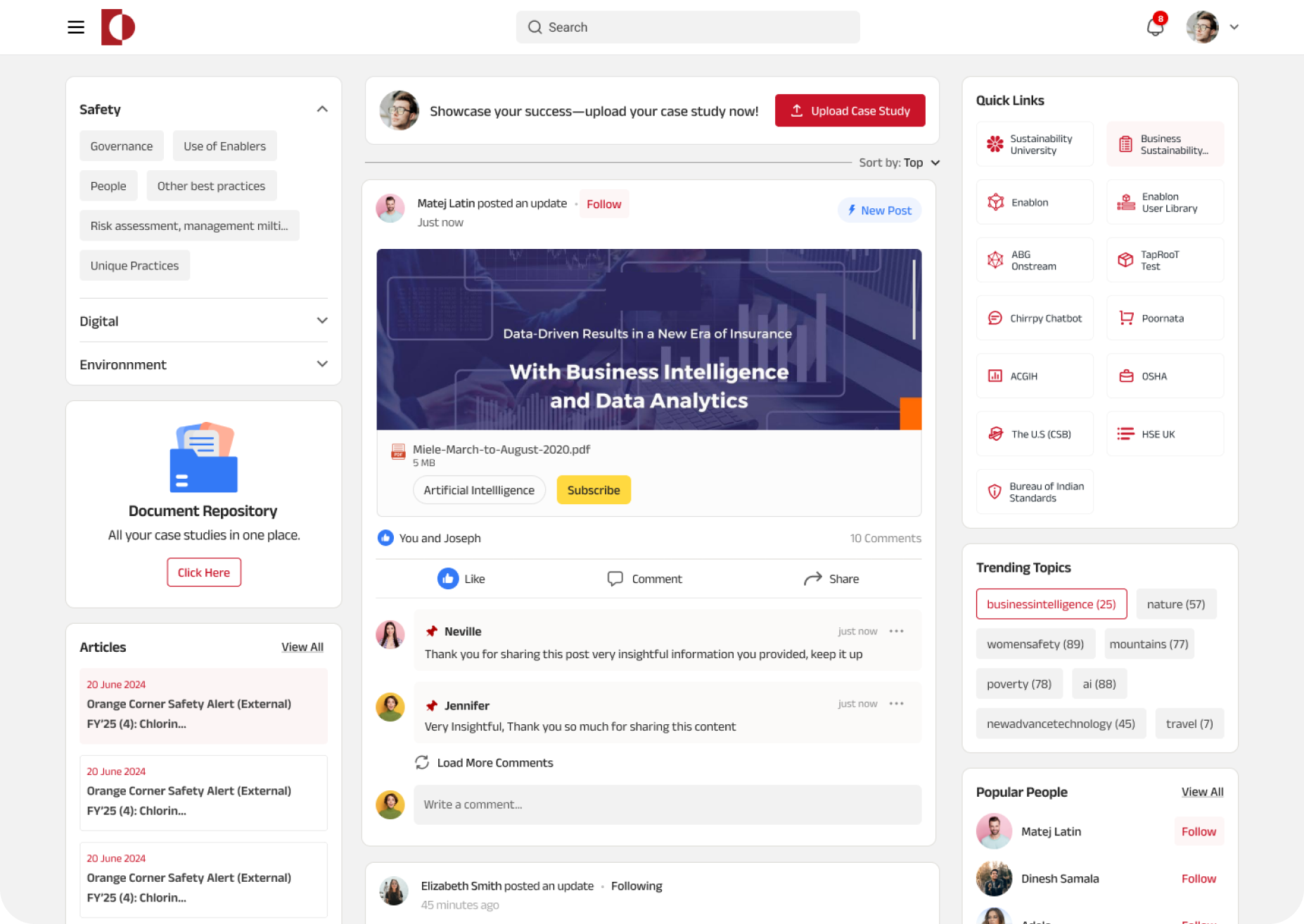
Faster Onboarding
Boosted Efficiency
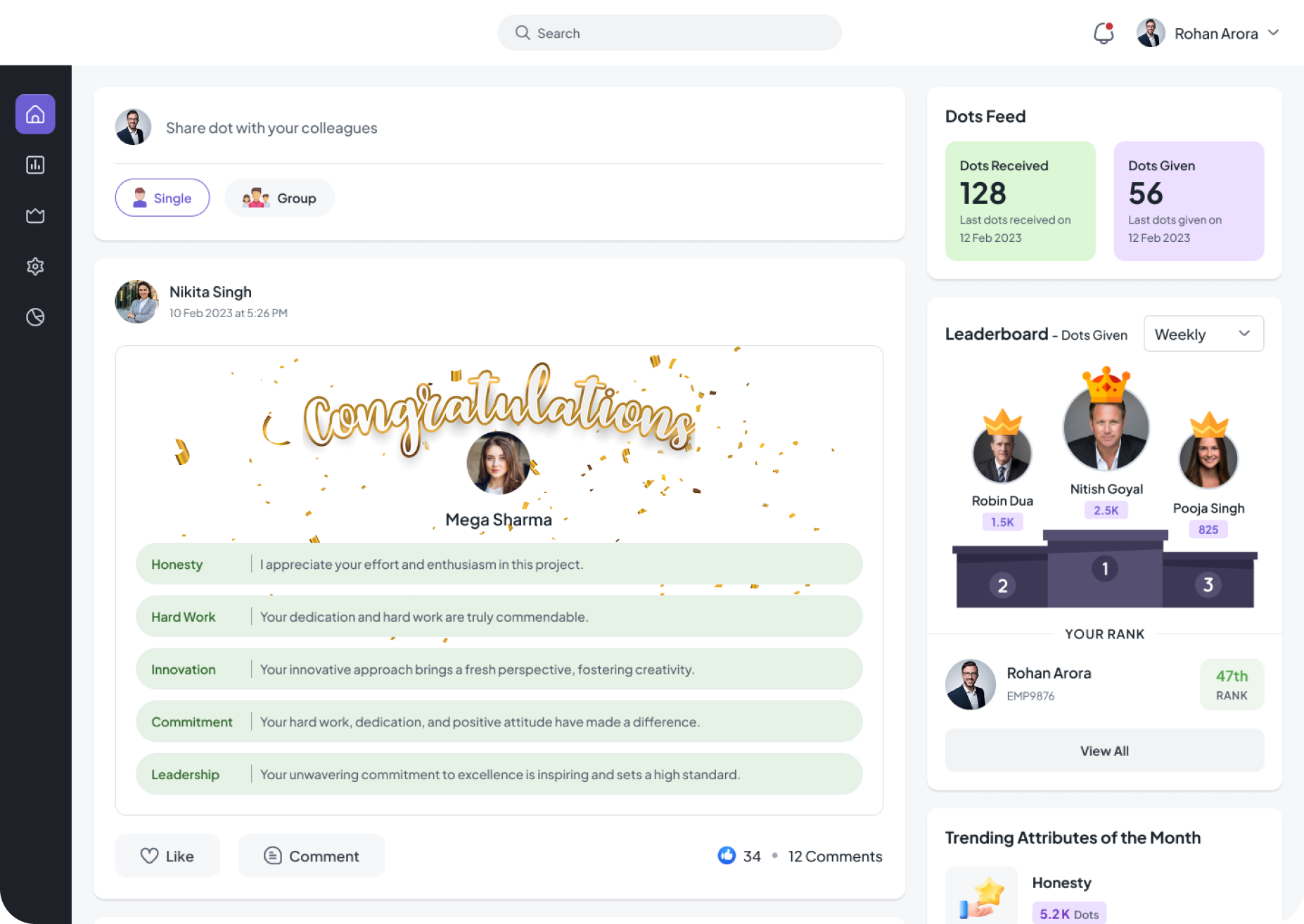
Improved Experience
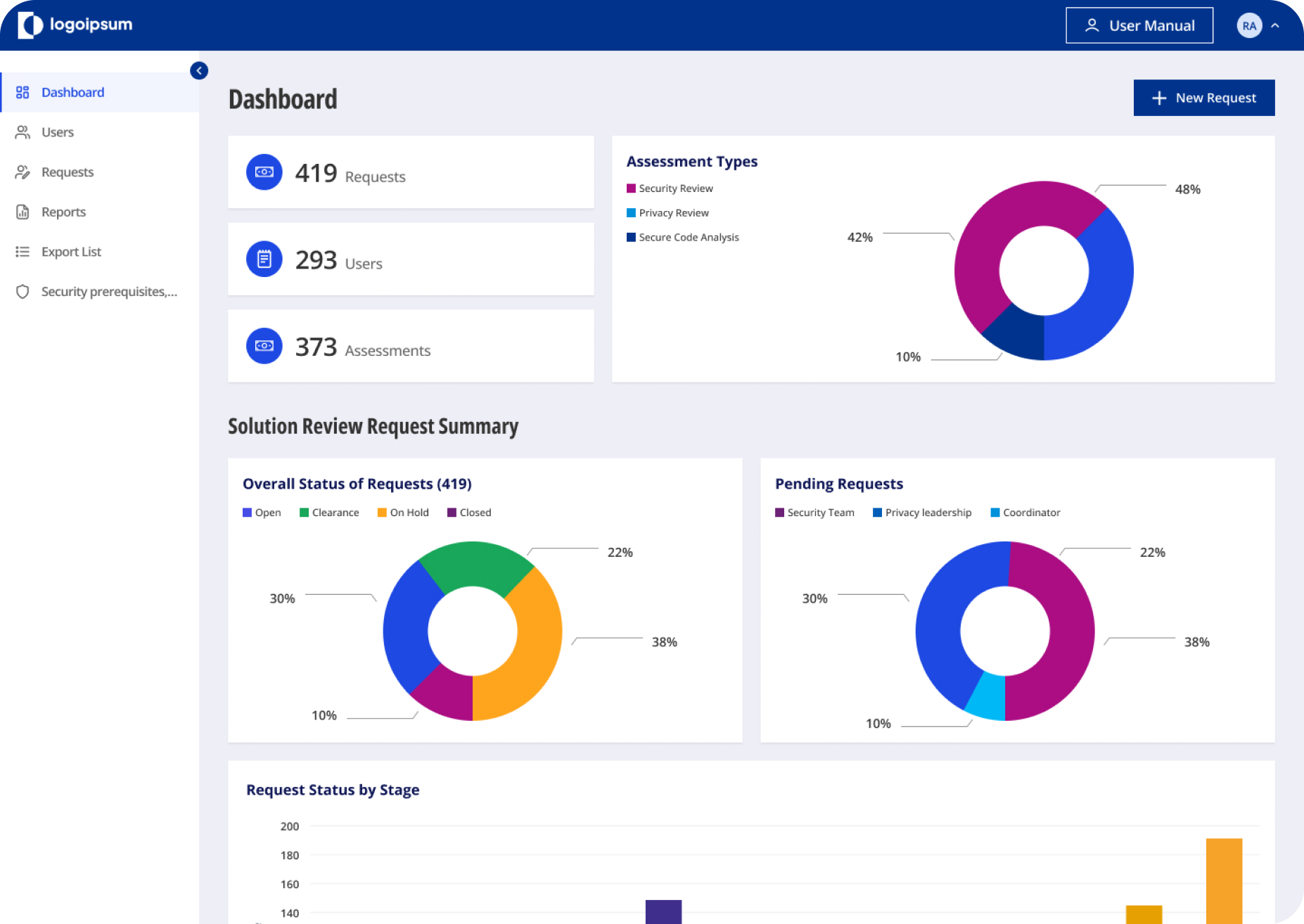
Faster App Development
Our cross-industry experience enables us to understand unique business challenges, market dynamics, and technology requirements across diverse sectors. By combining deep domain knowledge with data-driven insights, we deliver solutions that are tailored, scalable, and aligned with industry-specific goals.
 Healthcare and Life Sciences
Research with clinicians, patients, and caregivers for diagnostic tools, patient portals, and clinical workflow software with sensitivity to regulatory and accessibility constraints.

 Education and EdTech
Research with students, faculty, and administrators to inform learning platform and institutional tool design.

 Transport and Logistics
Field research with drivers, dispatchers, and operations staff to understand real-world usage conditions for mobile and field applications.

 Financial Services and Insurance
Research into trust, transparency, and decision-making behaviour for banking, lending, and claims platforms.

 Retail and E-Commerce
Shopper behaviour research across discovery, comparison, and checkout journeys for web and mobile commerce.

 Manufacturing and Industrial
Research with frontline operators and supervisors for shop-floor tools, often conducted on-site to capture real working conditions.

Our research practice combines domain expertise, advanced analytical methodologies, and emerging technologies to uncover actionable insights that drive informed decision-making. We focus on delivering research that is accurate, strategic, and outcome-oriented, helping organizations identify opportunities, mitigate risks, and stay ahead of evolving market trends.
Years of Engineering Experience
Projects Deployed to Production
Global Clients Across 21 Countries
Offices Across the Globe
Tell us about the decisions you need to validate and the users you need to understand. We will design a research plan grounded in your actual questions to translate findings into decisions your team can act on.

User research services cover the structured methods used to understand how real people think, behave, and make decisions when interacting with a product or service. This includes qualitative methods such as interviews, contextual inquiry, and ethnographic research, alongside quantitative methods such as surveys, analytics review, and usability testing. The output is typically synthesized into personas, journey maps, and prioritized recommendations that inform product, design, and engineering decisions.
Usability testing is one method within the broader discipline of user research. User research covers the full range of methods used to understand user needs, behaviors, and context including research conducted before a product exists. Usability testing specifically evaluates how easily people can use an existing product or prototype, identifying where they struggle, hesitate, or fail to complete a task. A mature research practice uses both: generative research to understand needs, and usability testing to validate solutions.
Ideally, research begins before design work starts validating the problem and understanding the target users before solutions are proposed. Research should also continue through the design phase via usability testing on prototypes, and after launch via analytics review and follow-up studies to understand real-world usage. Teams that treat research as a one-time activity before launch miss the opportunity to catch issues early, when they are cheapest to fix.
A focused qualitative study for example, 8–10 user interviews with synthesis typically takes 3–5 weeks from kickoff to findings workshop. A mixed-methods study combining interviews, surveys, and usability testing typically takes 5–8 weeks. Ongoing embedded research functions are scoped as ongoing engagements with a defined cadence of studies tied to product roadmap milestones.
For qualitative research such as interviews or usability testing, 5–8 participants per user segment is typically sufficient to identify the majority of significant usability issues and behavioral patterns a principle well established in usability research. For quantitative research such as surveys, sample sizes depend on the statistical confidence required and the size of the target population, and are calculated as part of the research plan.
Recruitment depends on the audience. For consumer products, we work with specialist recruitment panels and screening criteria to reach representative users. For enterprise or B2B products, recruitment often draws on the client’s existing user base, customer success teams, or sales relationships, supplemented by panel recruitment where needed. Every recruitment plan includes a screener to ensure participants genuinely match the target profile not simply anyone willing to take part.
Both. Many engagements begin as a focused study to answer a specific question, while others are structured as an ongoing embedded research function a researcher or small team working within the product organization on a continuous cadence of studies aligned with the roadmap. The right model depends on the maturity of the existing research practice and the pace of product development.
Findings are delivered in formats built for use, not just review: personas and journey maps that inform design decisions, prioritized opportunity lists that feed roadmap planning, and a findings workshop where stakeholders work through implications together. Where research feeds directly into a design engagement, findings are handed to the design team with specific, evidence-backed recommendations rather than open-ended observations.

What Happens Next?
 100% Confidential. NDA available on request.Response within 4 business hours.No obligation to get started.
Share Your Requirements

Your information is secure and never shared with third parties.

Thank You!
We will contact you within four business hours. In the meantime, feel free to explore our case studies or read our latest Insights.


