

Software and Hi-Tech • ERP and CRM

We provide comprehensive legacy application transformation services aligned with your technology environment and business goals. Our solutions help organizations optimize existing investments, improve performance, and enable future growth without disrupting critical operations.

We assess application portfolios, technology dependencies, and architectural gaps to create prioritized roadmaps, drawing on our broader custom software development services practice, that help organizations address slow performance, high maintenance costs, technical debt, and integration challenges while aligning future-state platforms with business objectives.

We improve existing applications through architecture optimization, code refactoring, cloud enablement, API integration, and platform upgrades to increase performance, scalability, maintainability, and security without disrupting critical business operations.

We help organizations extend the value of legacy applications using proven 6R/7R transformation strategies, selecting the most appropriate approach based on business objectives, technical complexity, and operational constraints. Our services encompass rehosting (lift-and-shift), replatforming, refactoring, re-architecting, rebuilding, replacing, and retiring applications, often rebuilding legacy systems through our web application development practice where appropriate.

We help organizations extend the value of mainframe and legacy environments through workload optimization, code conversion, hybrid integration, and cloud connectivity, reducing operational complexity while maintaining business continuity. As an experienced legacy software modernization firm, we reduce operational complexity while extending the value of core business systems. Our mainframe practice covers COBOL-to-Java transformation, batch process revamp, mainframe offloading, and hybrid integration — enabling organizations to maintain business continuity while progressively reducing mainframe dependency.

Legacy modernization requires genuine domain knowledge. We bring industry-specific expertise, regulatory fluency, and technology modernization services experience to every engagement ensuring that modernized applications meet both technical standards and sector-specific operational requirements.
 Healthcare and Life Sciences
Clinical information system modernization, HL7/FHIR integration enablement, patient records migration, and laboratory information system re-platforming, delivered through our dedicated healthcare software development practice.
 Financial Services and Banking
Core banking mainframe modernization, payment system re-platforming, open banking API enablement, regulatory compliance transformation, fraud system modernization, and legacy trading platform migration. Aligned to PSD2, Basel III, FCA, and SEC technology standards.
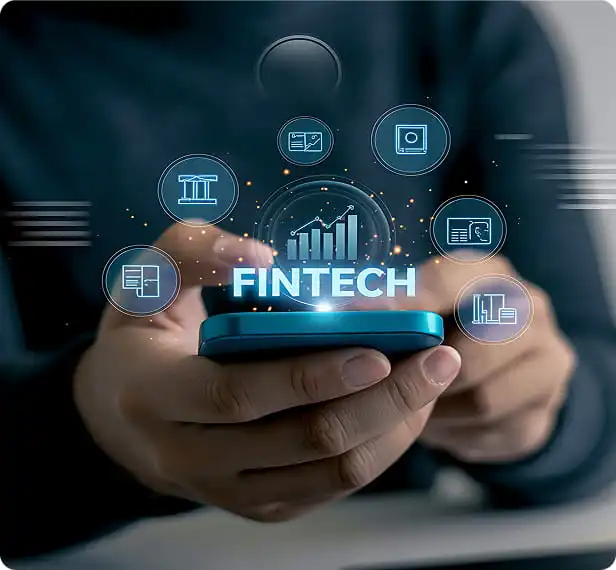
 Manufacturing and Industrial
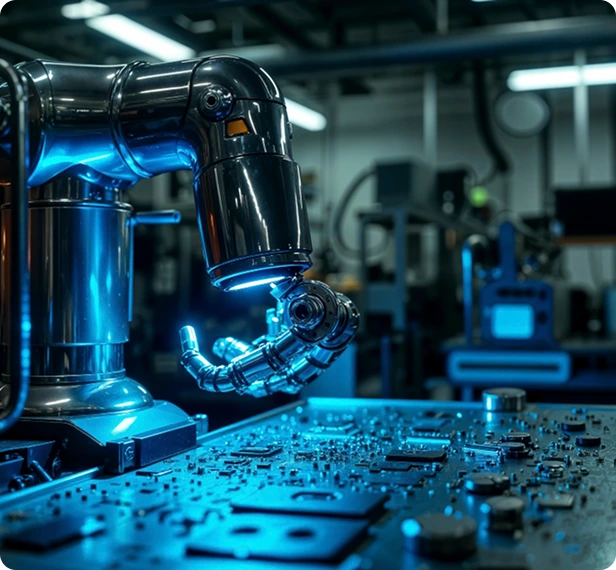
Legacy ERP modernization, MES and SCADA system transformation, IoT integration enablement, shop floor system re-platforming, supply chain application migration, and manufacturing data migration supporting cloud application modernization initiatives.
 Government and Public Sector
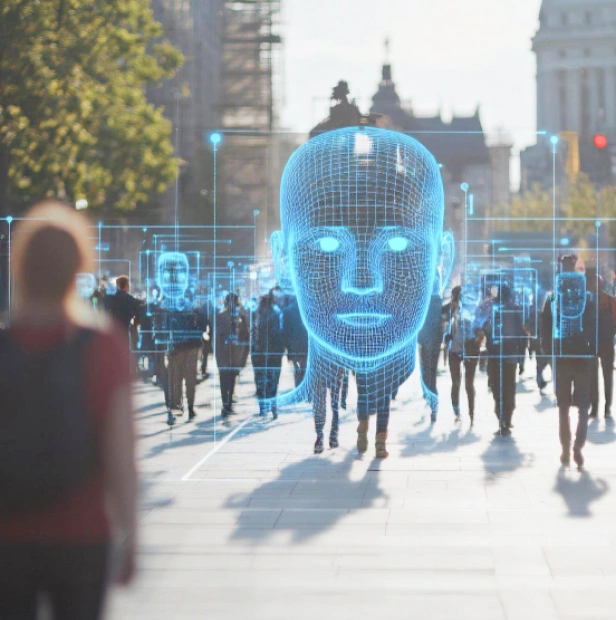
Legacy public sector platform transformation, citizen service system modernization, government data migration with data sovereignty compliance, accessibility-first UI/UX modernization, and legacy procurement and HR system re-platforming.
 Retail and E-Commerce
Legacy commerce platform migration, inventory management system modernization, loyalty platform re-platforming, omnichannel integration enablement, and POS system transformation for retail enterprises operating at scale.

 Logistics and Supply Chain
Fleet management system modernization, warehouse management platform re-platforming, real-time tracking system migration, carrier integration API enablement, and logistics data migration supporting technology modernization services programs.

Our legacy modernization engineering team combines deep expertise across legacy platform assessment, mainframe transformation, cloud re-platforming, API integration, data migration, and UI/UX modernization delivering end-to-end legacy system modernization services across the full enterprise technology spectrum.


COBOL, Java EE, .NET Framework, Oracle Forms, PowerBuilder, Delphi, VB6, RPG, PL/SQL, legacy ERP/CRM systems, application portfolio analysis tooling, dependency mapping frameworks.


IBM zOS, COBOL-to-Java transformation, JCL batch migration, VSAM-to-RDBMS conversion, mainframe offloading, IBM Db2, IMS, CICS re-platforming to cloud-native equivalents.


AWS, Azure, Google Cloud Platform, Kubernetes, Docker, Terraform, cloud-native microservices, serverless architecture, hybrid cloud integration, PaaS migration, legacy it infrastructure modernization.


Microservices decomposition, domain-driven design, event-driven architecture, Apache Kafka, REST and GraphQL API design, Spring Boot, .NET Core, Node.js, service mesh, strangler fig pattern.


React, Angular, Vue.js, Figma, design systems, WCAG 2.1 accessibility, responsive design, component library migration, legacy screen-to-modern UI transformation, usability testing.


ETL pipeline design, Apache Spark, AWS Glue, Azure Data Factory, Oracle-to-PostgreSQL migration, schema transformation, data quality validation, dual-run reconciliation, GDPR compliance.
Modernize your legacy applications with a trusted partner that prioritizes business value, security, and operational continuity. As a best legacy app modernization company, we combine deep enterprise expertise with proven delivery frameworks to transform critical systems with minimal risk and maximum ROI.
Years of Engineering Experience
Projects Deployed to Production
Global Clients Across 21 Countries
Offices Across the Globe
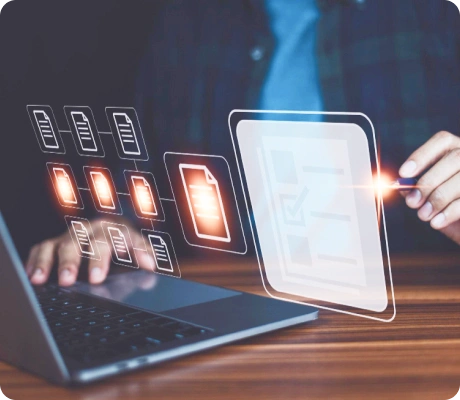
We follow a structured six-phase methodology refined across 25+ years of enterprise software delivery and designed to address the specific failure modes of modernization programs: inadequate discovery, underestimated integration complexity, insufficient data migration planning, and under-resourced change management.
PHASE 01
PHASE 02
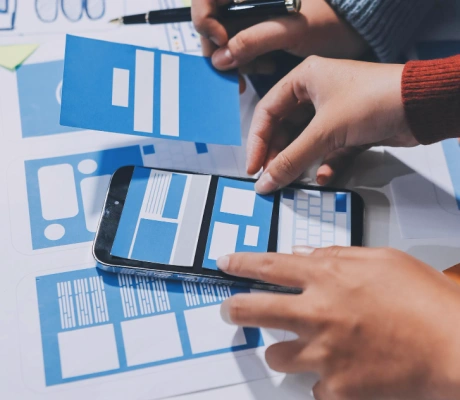
PHASE 03
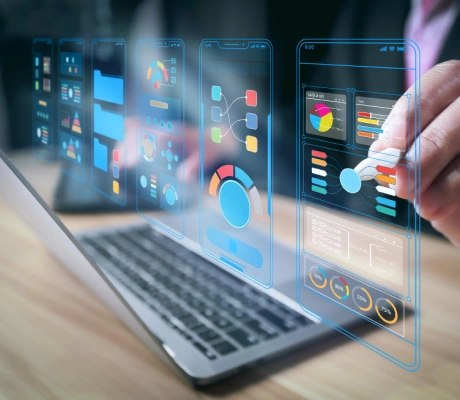
PHASE 04
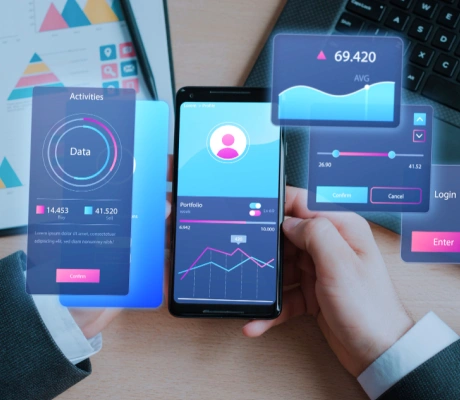
PHASE 05
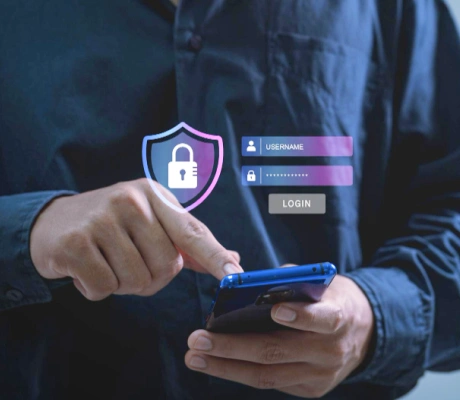
PHASE 06
Our experts help you modernize legacy applications with minimal risk and maximum business value.
Legacy app modernization transforms outdated applications into modern, scalable platforms while preserving critical business logic, spanning re-platforming, and mainframe transformation.
Benefits span cost reduction, improved performance and scalability, and eliminated security vulnerabilities from systems that are no longer actively patched.
Modernization preserves existing logic and data at lower risk and cost; replacement rebuilds from scratch but requires full re-specification and far greater investment.
We use phased execution with rollback capability, dual-run reconciliation, and strangler fig patterns, keeping legacy systems running reliably throughout the transition.
The six core strategies are rehost, replatform, refactor, re-architect, rebuild, and retire, selected based on complexity, criticality, and your target state.
You gain engineers with hands-on modernization experience across COBOL, Java EE, .NET, and mainframe platforms, including dedicated necessary expertise.
Yes. We provide break-fix support, security patching, performance monitoring, and minor enhancements on the legacy platform throughout the modernization transition period.
A focused single-application modernization typically delivers in 16–24 weeks; a full enterprise transformation program with mainframe work runs 18–36 months.

What Happens Next?
 100% Confidential. NDA available on request.Response within 4 business hours.No obligation to get started.
Share Your Requirements

Your information is secure and never shared with third parties.

Thank You!
We will contact you within four business hours. In the meantime, feel free to explore our case studies or read our latest Insights.


